…the mobile version of my portfolio is completely broken ■■


Sorry! This portfolio is still a work in progress. I want it to be really good, and it takes a lot of time so not all parts are completed yet, including the mobile design.

You're free to close this modal to preview the website as it is, but please, if you're interested view on your desktop device. Thanks!
growth strategies and experiments/

A summary of many different initiatives I led over my 4+ years at Brainly, an edtech market leader. Each focused on one shared goal – driving growth – which required not only strong design and strategic thinking but also skills in many disciplines such as product management, data analysis, or user research.

years/

2020-24

responsibilities/

Led several initiatives focused on growth and monetization of the product, both from the design and management sides.

tags/
Growth Design
Illustration
Data Analytics
Workshopping
UI Design
Prototyping
User Research
Motion Design
Animation

the problem/

…how do you make users pay, exactly?

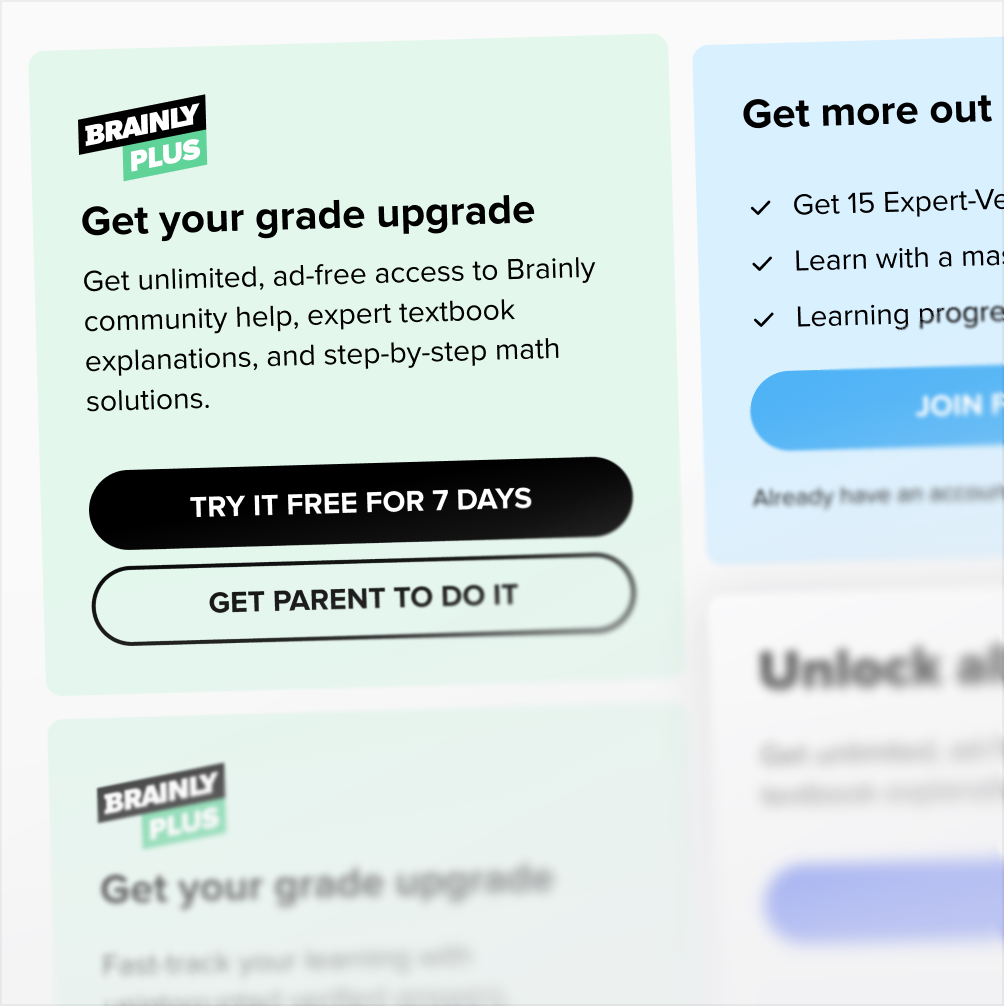
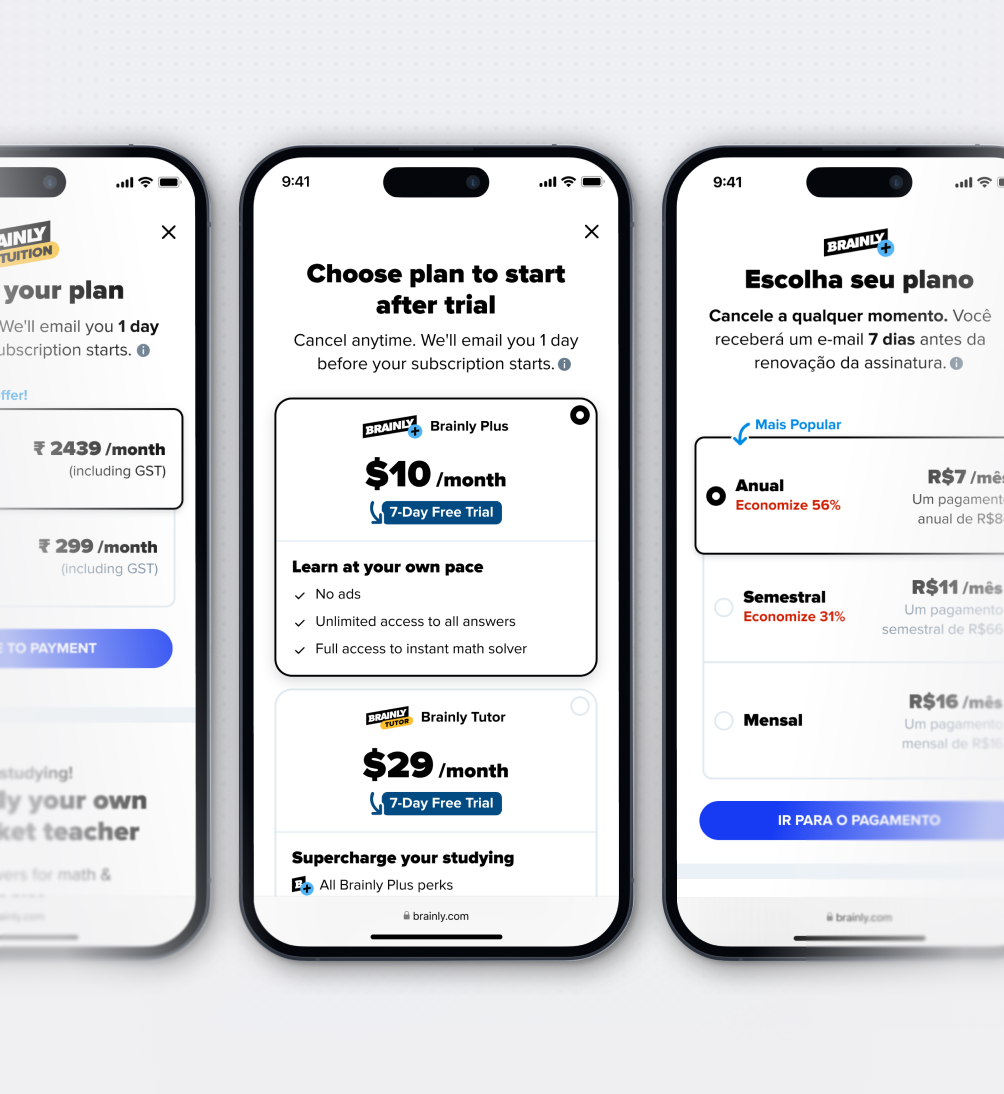
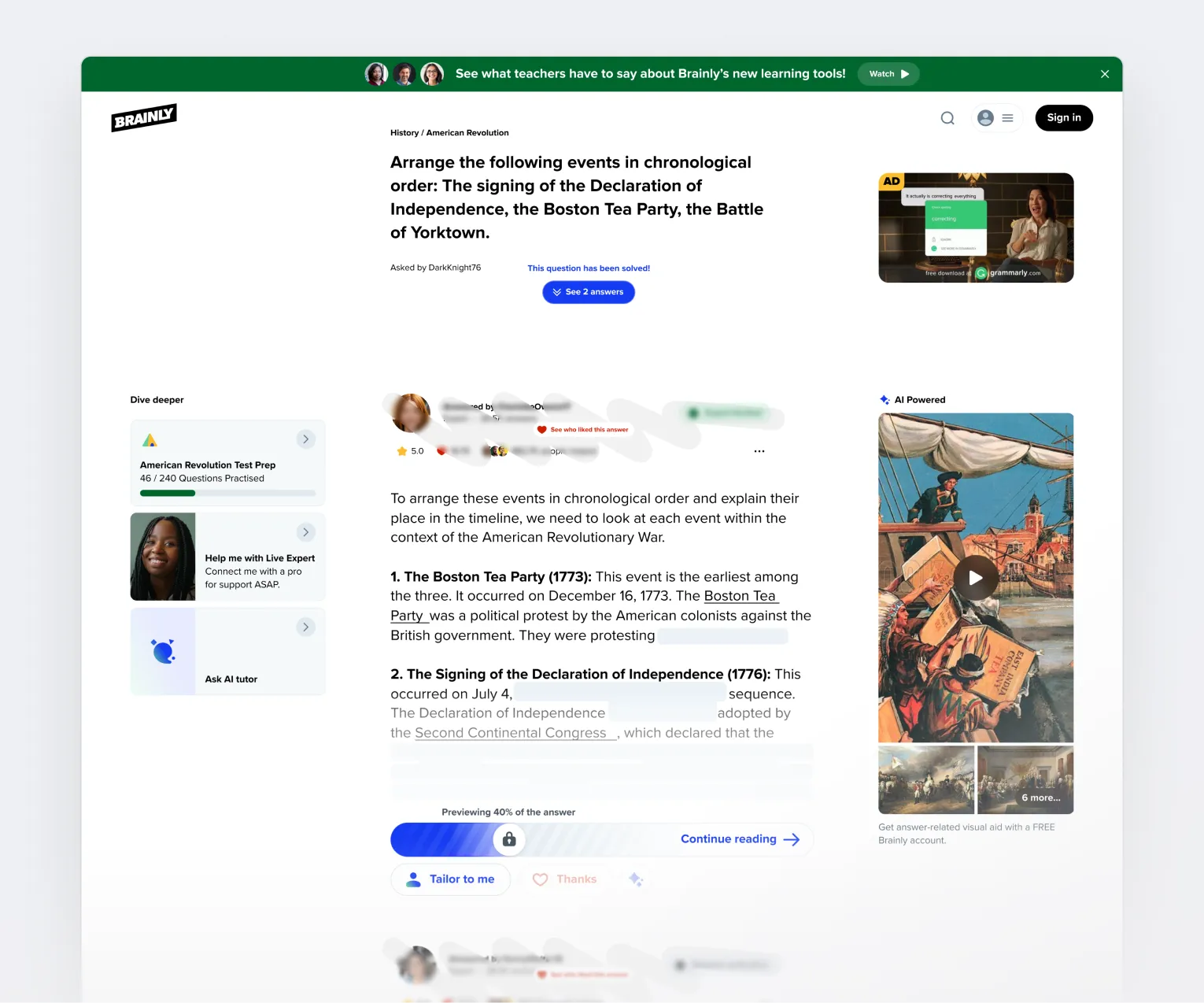
Brainly had several growth avenues already in place when I joined, like paywalls or ad-banners, but they were far from perfect. The main blockers? A young audience with little money to spend, UX design that didn’t do the product justice, and most importantly, a lack of a strong design process to address these. The premium plans weren't well explained, the checkout was overly confusing, and cancellation screens pretty much asked users to quit their plans.
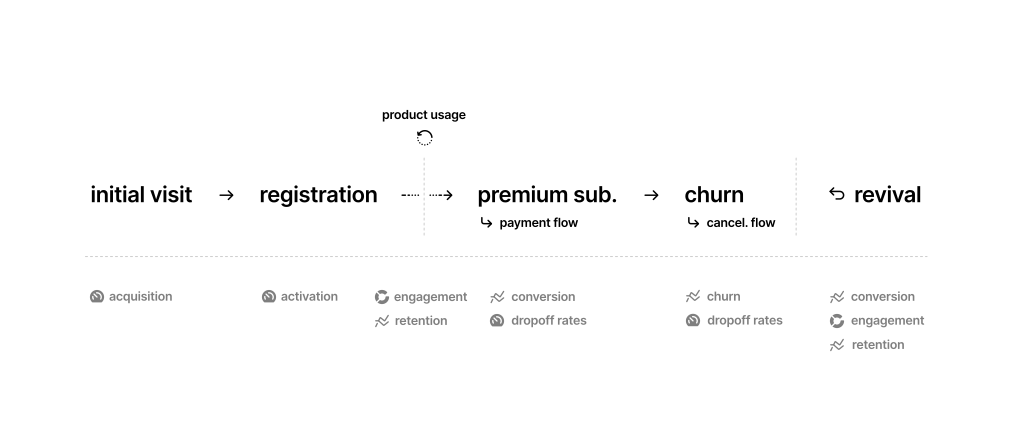
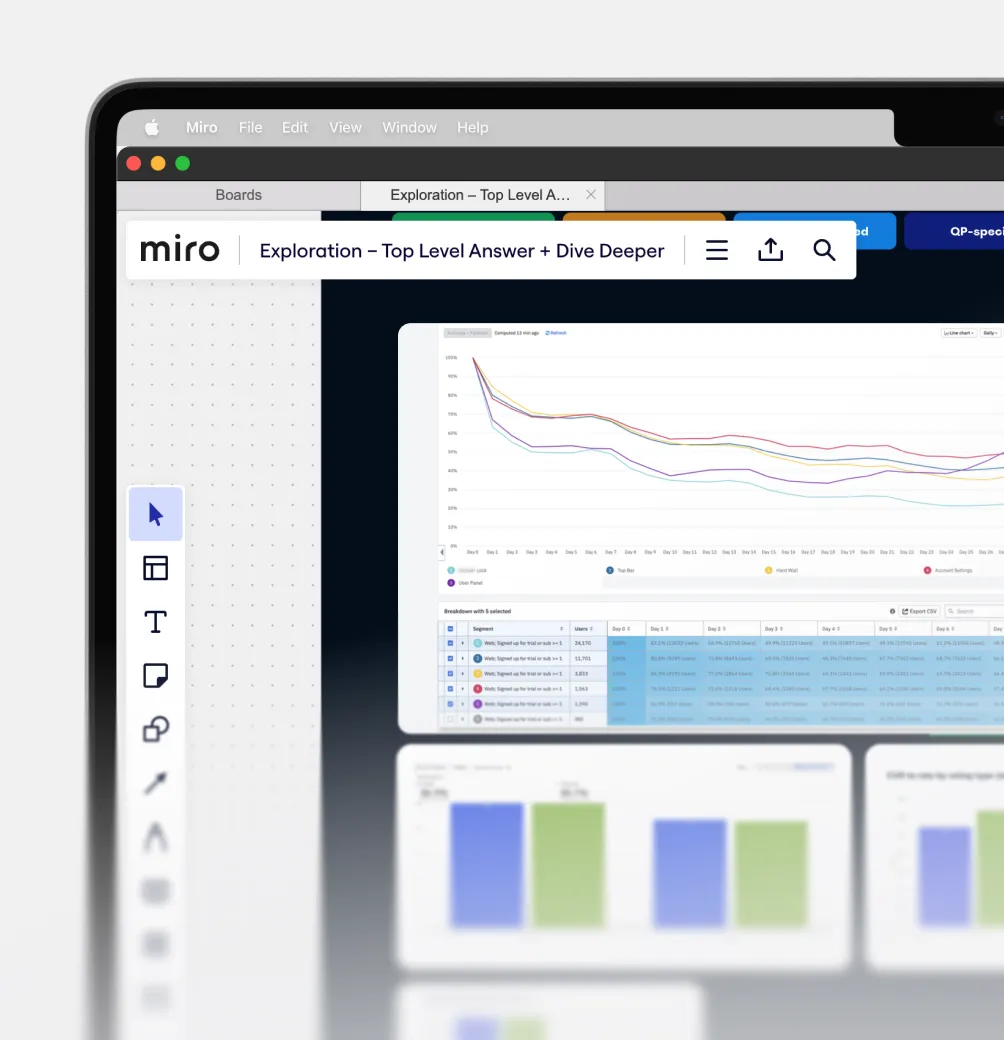
The first step to tackling a problem is understanding it. Whether it’s an experiment, project, large-scale strategy, or full redesign, my process always begins by uncovering the underlying factors through user research and analytics. This graph represents a simplified user journey and corresponding metrics to monitor from a monetization perspective.
See full project -> 
Never underestimate users’ creativity when it comes to circumventing paywalls and subscriptions.
See full project -> 
See full project -> 
Growth design is often oversimplified as “just making banners.” In reality, the challenge here is communicating the product's value — something Brainly did a pretty bad job at.

the process/

making way for growth-hacking

I joined the growth team to solve monetization challenges step by step – from quick experiments to big, strategic initatives – all rooted in growth-hacking principles. It was equal parts creative and strategic work. I started hands-on, but over time took on a leadership role, spreading the growth mindset and focusing more on coordinating work. Regardless, for me, it was always about more than good design – every idea needed a strong strategic backbone.

1

measuring and planning/
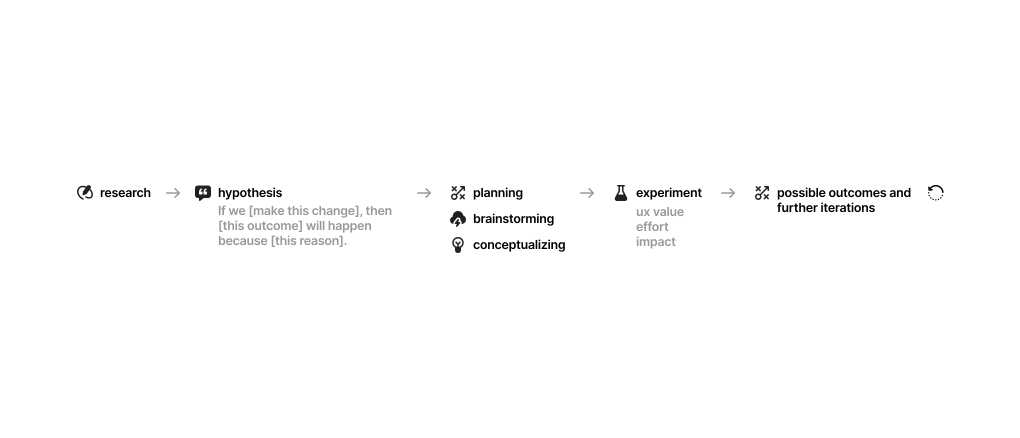
The first thing to do with any growth initiative is to understand the nature and scale of the problem through research. Then, I typically plan out several different ways to approach it – from small experiments meant to test one hypothesis, to big all-encompassing strategies.

2

research, design, research again/
‍When designing for growth, it's important to always take a step back. Whether it be user-testing or just benchmarking, it's always important for me to validate whether my concepts are moving the needle in the right direction.

3

launch, learn, onto the next iteration/
While having a successful experiment or feature launch is great, the learnings gathered afterwards are significantly more important. Knowing why a certain design performs well (or doesn't) is critical in informing future decisions as no improvement is launched in a vacuum.
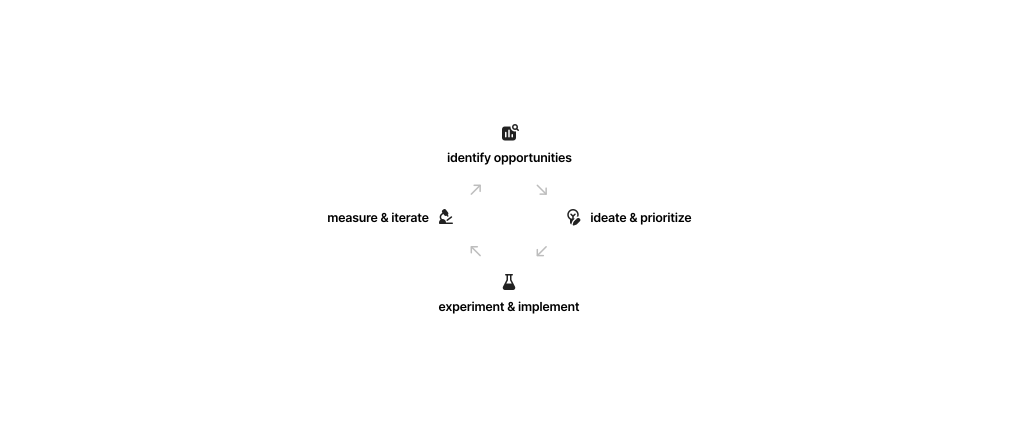
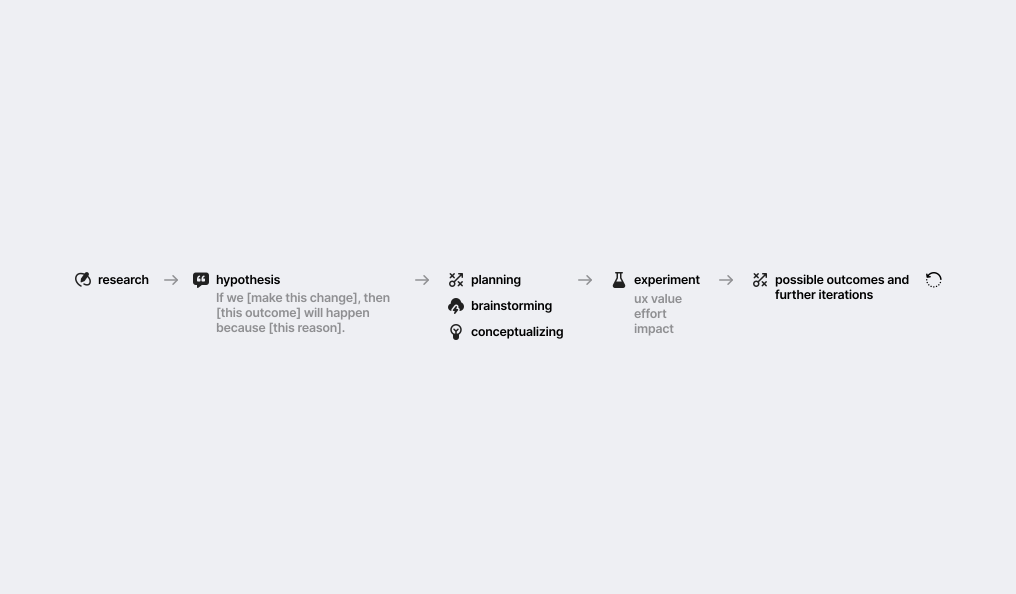
I approached growth at Brainly through a continuous, experiment-driven process based on the “growth hacking” method. It started out with identifying opportunities in qualitative and/or quantitative data. From there, I brainstormed and prioritized ideas based on potential impact and effort, then designed and launched quick experiments to test each hypothesis. Every round of testing brought new insights, which I used to refine the next set of initiatives — creating a constant loop of discovering, testing, learning, and scaling what worked.
See full project -> 
In growth design, you have to be on first name basis with quantitative data. I taught myself the basics of analytics and frequently used Amplitude to research best performers, spot correlations, experiment outcomes, etc.
See full project -> 
See full project -> 
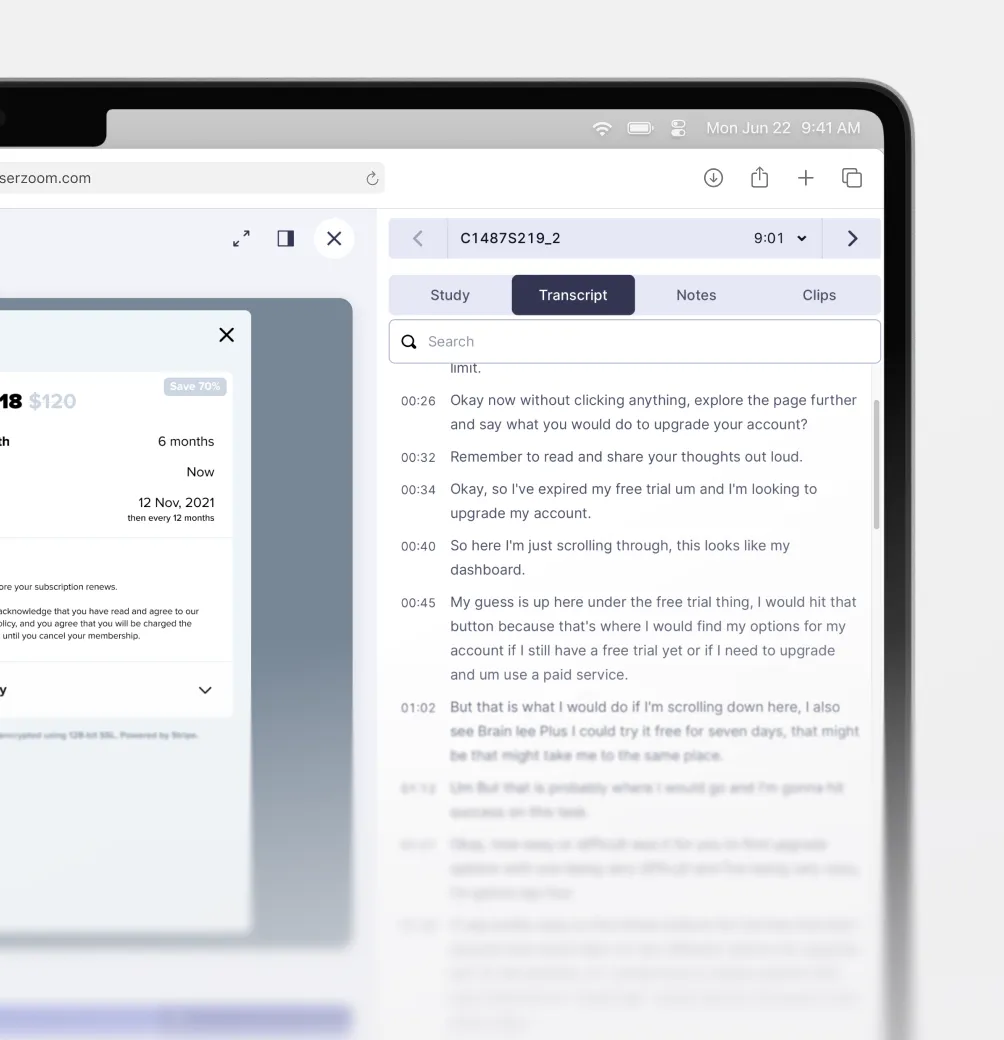
While not as flashy, I consider qualitative insights just as important as number data. I led and analyzed test sesions to understand how people actually interact with my designs and to support quantitative findings with real user insights.
When planning experiments, I consider two parts particularly important. First, figuring out the hypothesis, or in other words, why are we implementing this change in the first place and what do we hope to gain or understand better? Second, identifying what’s next; to what larger strategy can this small improvement lead to?
See full project -> 
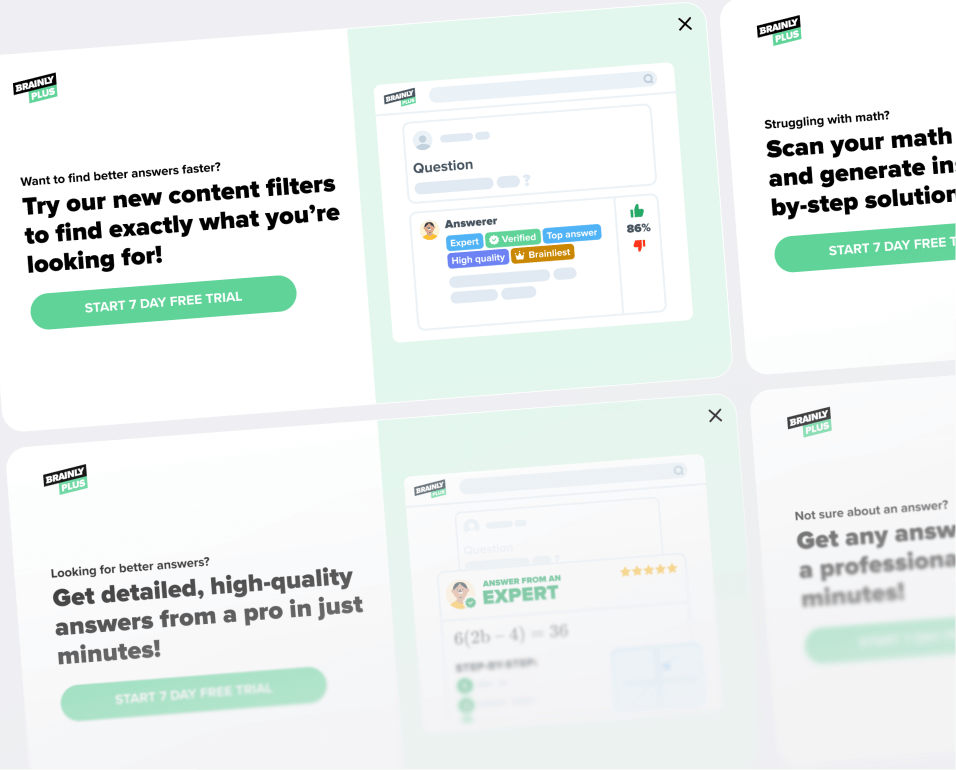
Smoke and fake-door testing allowed me to validate hypotheses with very little engineering effort. These experiments scouted possible improvements that went beyond just growth and informed the overall product strategy. Pictured here are AB-tested modals that validated conceptual features.
See full project -> 
See full project -> 
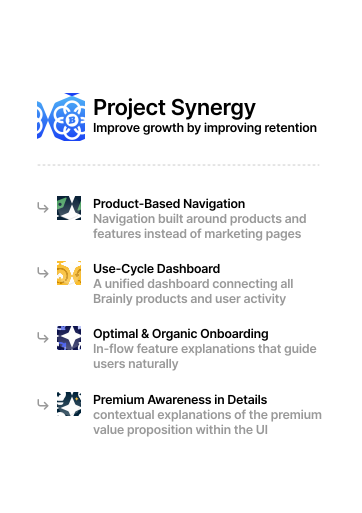
Small experiments often grew into large, impactful strategies. Project Synergy was one such strategy I conceptualized and successfully pitched to leadership after identifying areas of the product with the greatest impact on retention and, therefore, growth.

the results/

massive growth by a thousand cuts

Continuous work on the product’s key growth areas led to outstanding improvements across all major performance metrics, simultaneously improving the visuals and without relying on cheap monetization tricks. Larger projects I led helped unify previously disjointed, clunky parts of the product. My growth efforts often overlapped with other initiatives, contributing to better overall UX, enhancements to the design system (PENCIL), and various technical improvements.
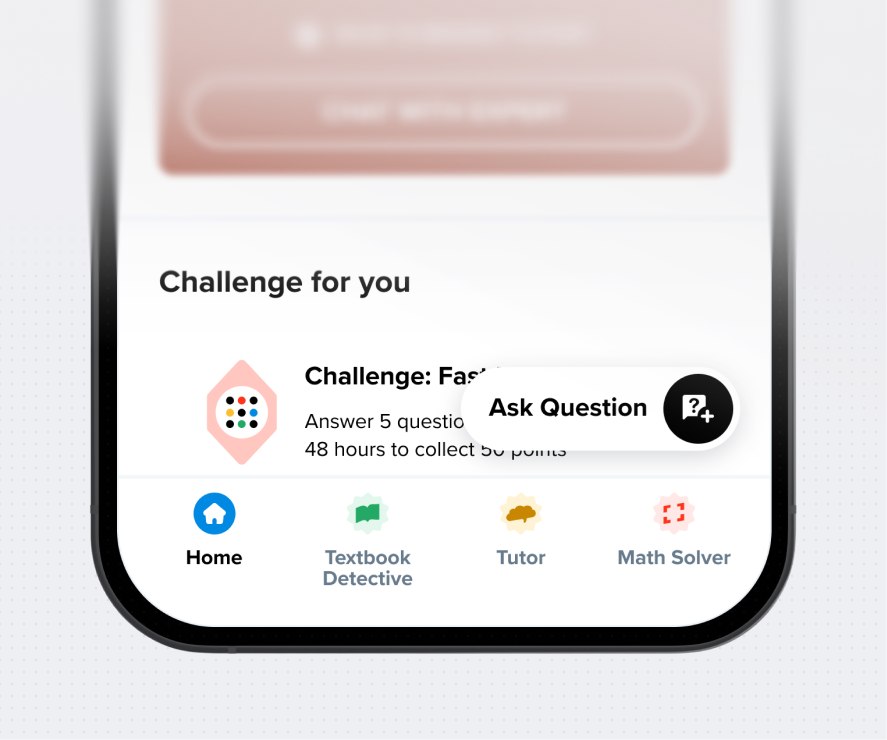
The payment form underwent several redesigns and more minor iterative adjustments over the years I could share, but the one shown here was by far the most significant. It introduced a single, scrollable flow where users could seamlessly complete the entire process in one go, reducing friction and minimizing drop-off.
See full project -> 
Results from experiments often impacted the product itself – the onboarding had a major effect on acquisition and retention, so I redesigned it and created animations to make it stand out during a user’s first visit.
See full project -> 
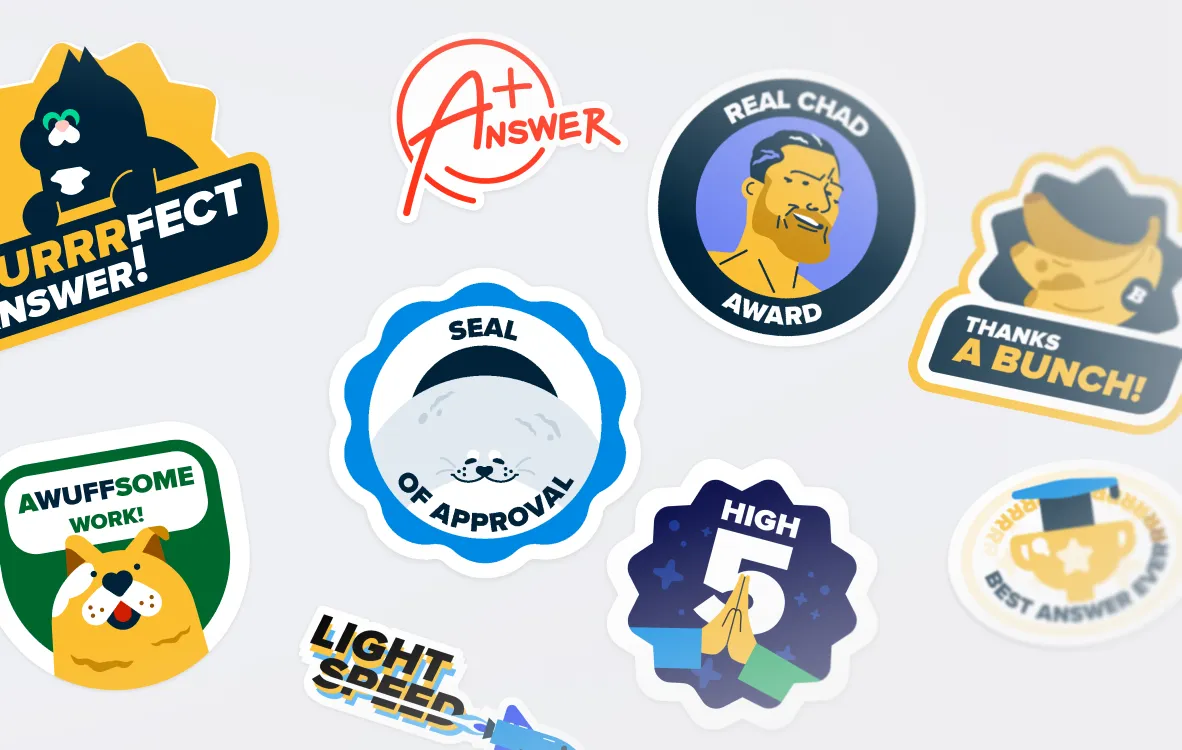
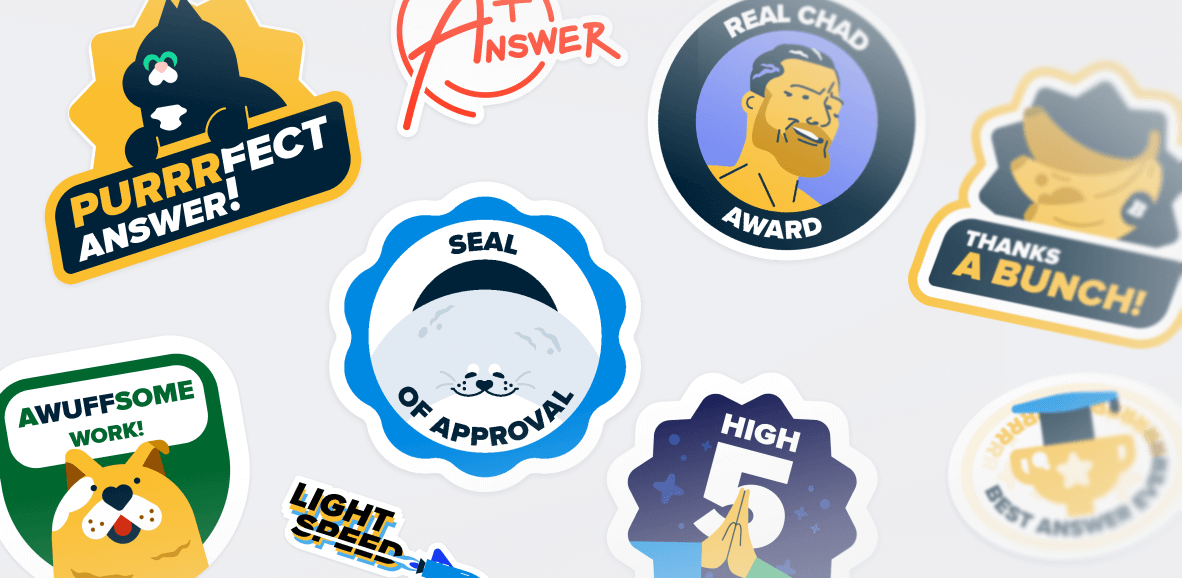
I illustrated stickers users could send to question answerers. A nice, personalized way to express thanks… and increase product engagement.
See full project -> 
Results from experiments often influenced the product itself. For instance, navigation proved to have a strong impact on retention, so I redesigned it with that in mind.
See full project -> 
Years of continuous experimentation had left the Question & Answer page, the most visited part of the product, cluttered and overloaded with content. I led the growth aspect of the redesign – I used insights gathered over time to create a cleaner, more focused UI that maintained monetization performance while integrating new AI-based features.
See full project -> 
The designs also had to be localized. Note that localization =/= translation; different markets needed their own specific solutions instead of just a copy-paste job.
See full project -> 
See full project -> 
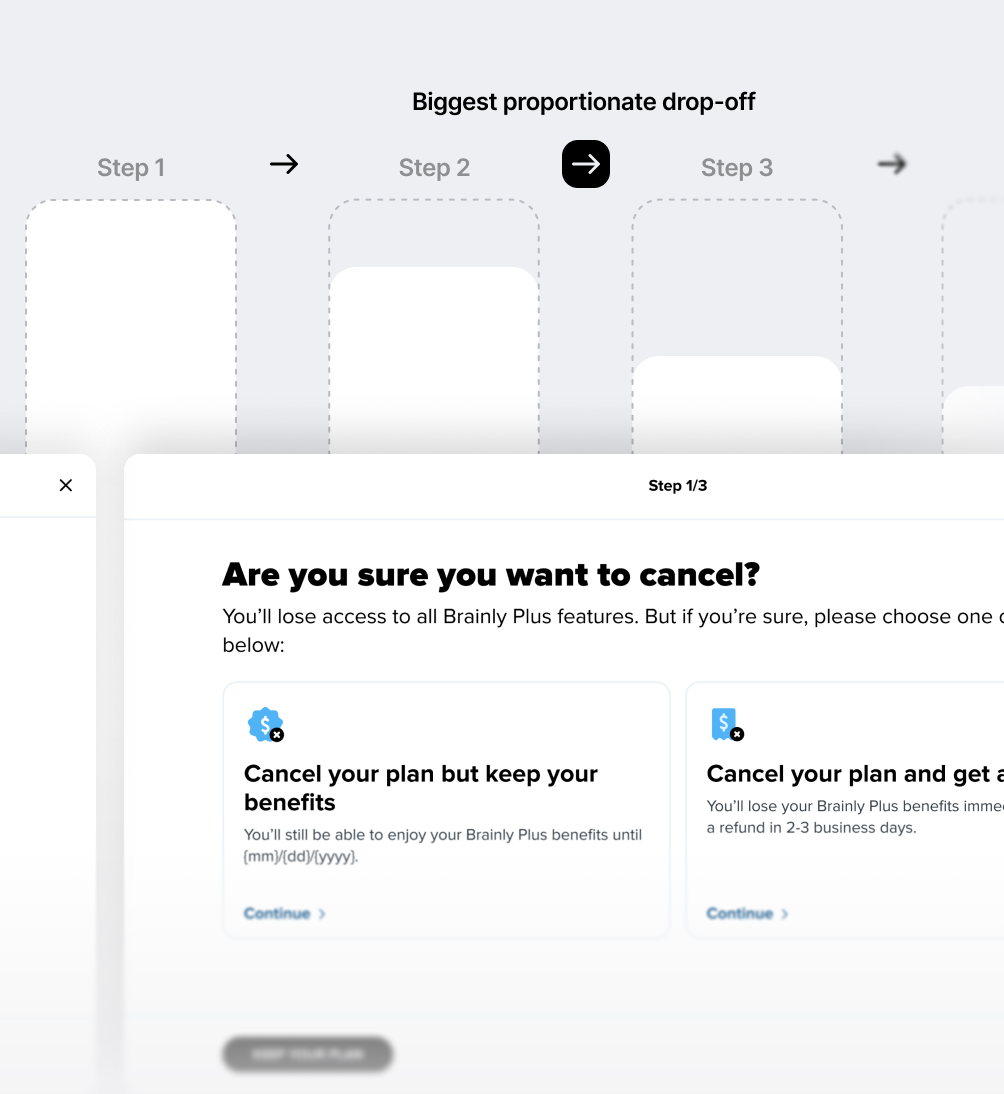
The cancellation flow required close collaboration between design and data analytics. I initially designed it from scratch, and thanks to the clear, step-by-step structure, I was able to use extensive quantitative insights to refine it through multiple smaller iterations.
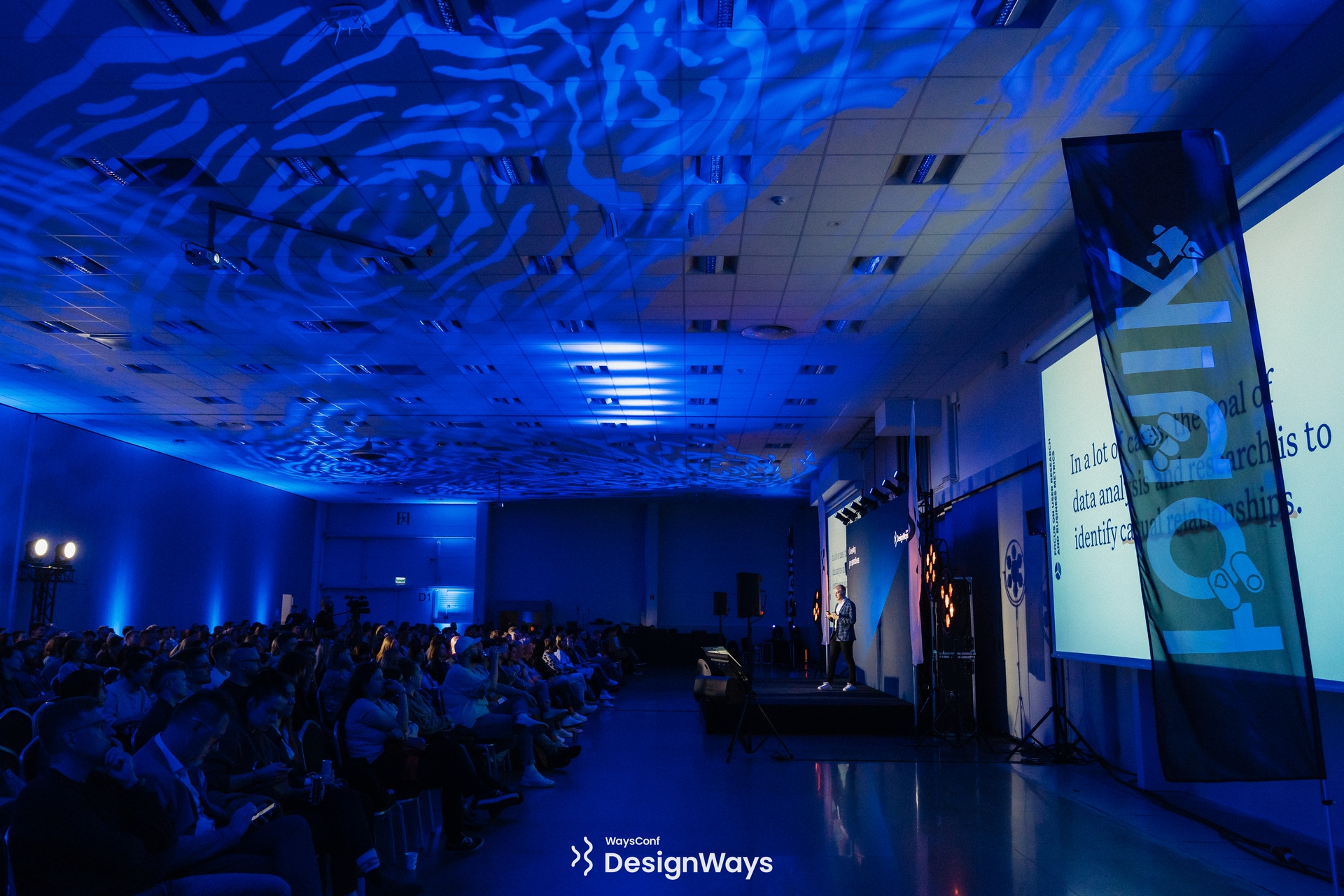
As the most senior designer at the company, my responsibilities extended beyond hands-on design work to mentoring and guiding peers. I also shared my experience in growth design, speaking at various industry events around the world.
See full project -> 

that's not all/

…what was left out of this case study?

I keep the case studies relatively simple so they don't take a lot of time to go through (to varying degrees of success). This means this page only describes a tiny sliver of the work I did throughout my 4+ year tenure at Brainly (no, seriously, the documentation I have is tens of gigabytes large). In particular, the parts that were either omitted or barely touched on include:
‍
🏃 animations – while I showed this a bit (the mobile app onboarding), there were many many more animations I did for Brainly – from Lottie, through SVGator, to Rive. Getting to work on a lot of promotional materials gave me the opportunity to really flex my creative muscles.
‍
🧩 design systems – I was very active in helping the design system team improve Brainly's design system Pencil. I worked on everything, from individual components to revamping the entire icon set from scratch.
‍
✍️ ux-writing/content design – communication is a really important part of designing for growth, and as such, it's inseparable from UX-writing. While not my primary responsibility, I did considerable work to ensure the copywriting used in my designs would be the best it could be.

📏 ui design craft – this case study fails to capture the massive amounts of work done to deliver solutions that were also sound on a technical level. For a case study more focused on the "craft" part of my design experience, check out the Complete Redesign of NordPass.
‍
🤝 teamwork and stakeholder management – an incredibly important part of designing for growth. Throughout my tenure at Brainly, I had several pitch sessions and had to contionously defend my concepts.

If you're interested in those, let's talk!

next project/

integrating AI into the product/

These days, everyone’s talking about AI, maybe even a bit too much. But imagine this – in the distant year of 2022, hardly anyone knew what it really was. My task was to solve that gap and find ways to integrate this emerging technology seamlessly into the product as Brainly began its shift toward becoming an AI-first company.

years/

2022-24

responsibilities/

Leading the design process and exploring improvements for the overall product strategy.

tags/
AI
Illustration
UI Design
Prototyping
User Research
Motion Design
Animation
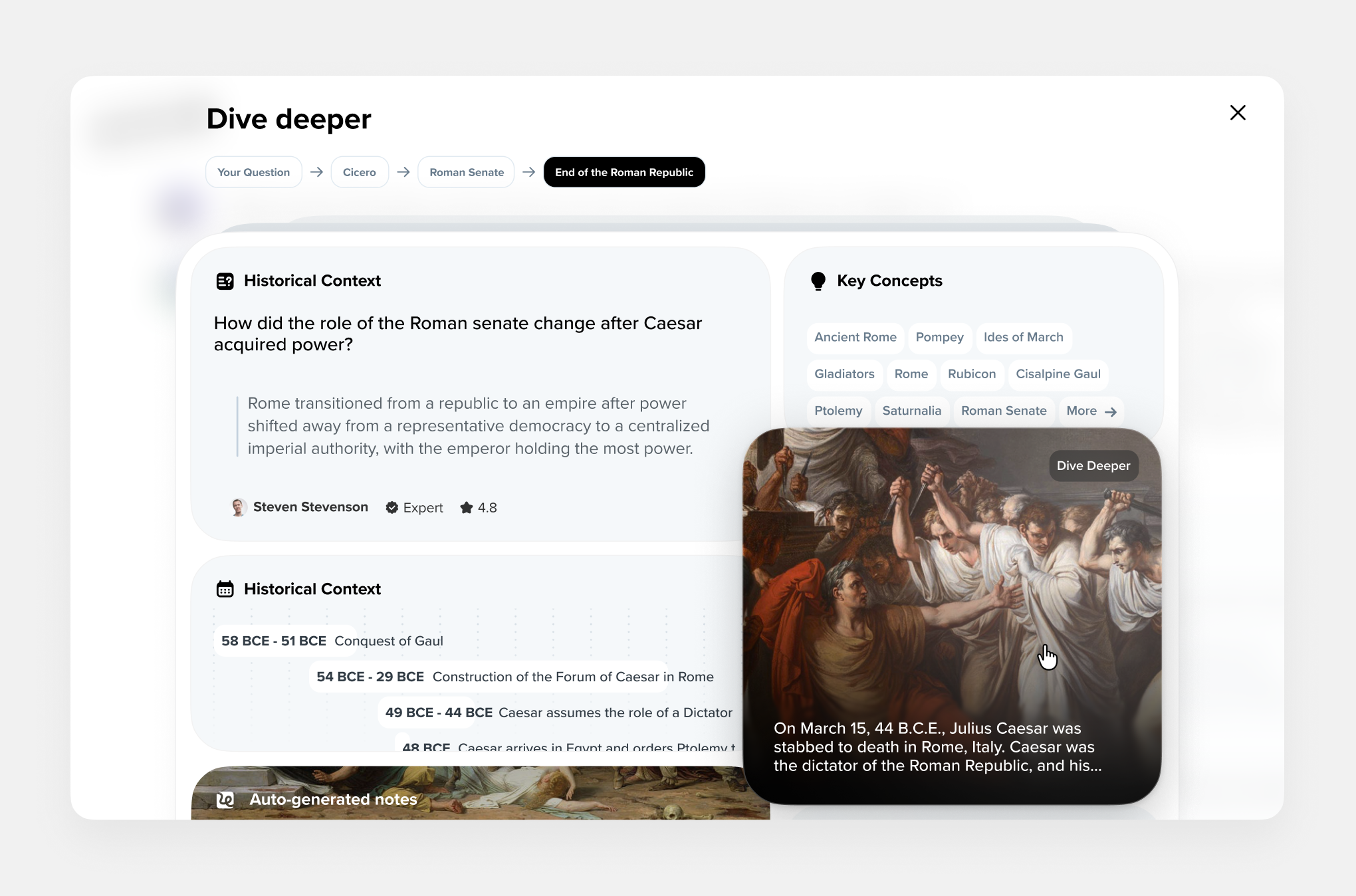
Brainly’s shift toward AI became a full-on pivot. AI wouldn't be just an integral part of Brainly's value proposition, but entirely replace existing core features. I led the exploration of this new direction, looking for new, interesting ways to push the envelope of ed-tech.
See full project -> 
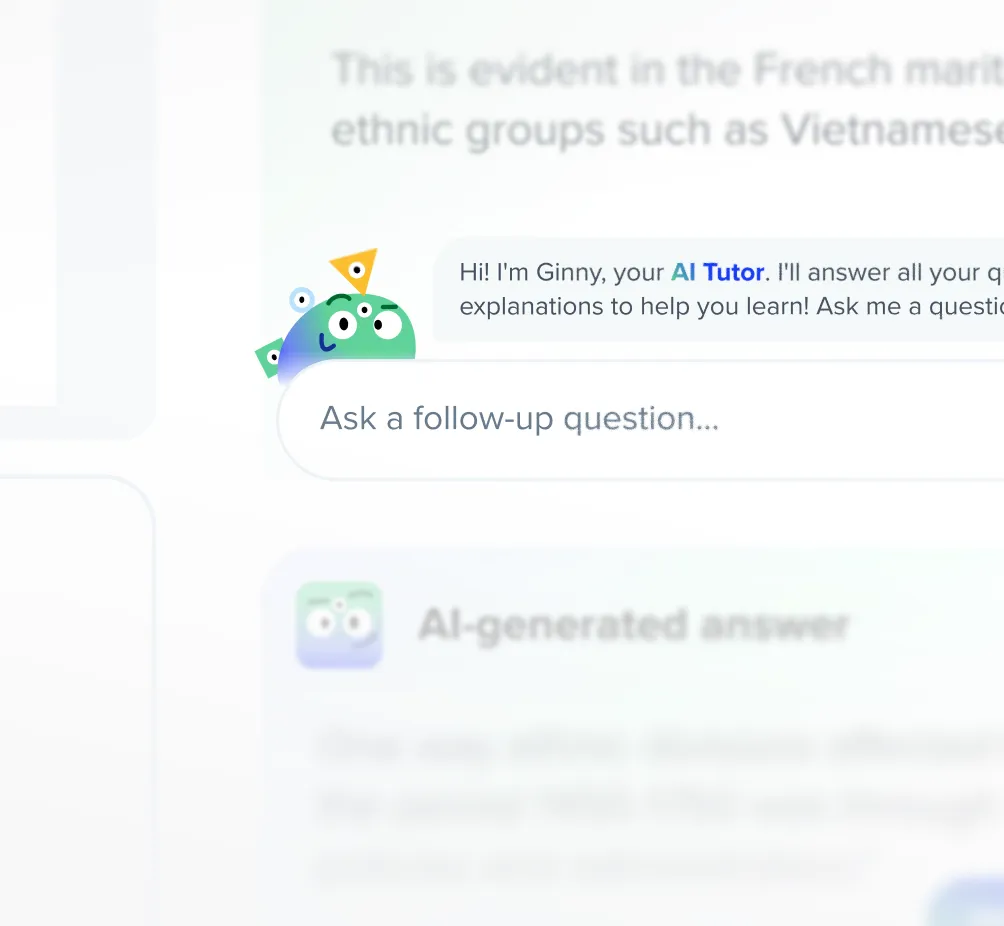
Keep in mind — back in 2022, AI was still a novelty for most users. My goal was to blend new AI-powered features seamlessly into Brainly’s UI so they felt natural, not tacked-on. Beyond UX decisions, I created a series of animations and illustrations designed specifically to support that integration.
See full project -> 
See full project -> 
AI integrations extended beyond the Brainly platform. I conceptualized a browser plugin that opened new growth opportunities for the company.
See Full Case Study